
 English
 Español
 عربى
عربى
 الصفحة الرئيسية / مدونة / أخبار الصناعة / Different Kinds of Wood Finishes Explained: Types, Benefits, and Buying Advice
أخبار الصناعة
Different Kinds of Wood Finishes Explained: Types, Benefits, and Buying Advice
2026-09-01
محتوى
- 1 The Finish Choice Decides How Long Your Furniture Looks New
- 2 Penetrating vs. Surface Finishes: The Two Families
- 3 Performance Comparison Across Common Finish Systems
- 4 The Hidden Metrics That Set Films Apart
- 5 Where Each Finish Type Fits in Real Applications
- 6 How to Choose a Finish: A Step-by-Step Guide
- 7 Protection and Compliance: The Long-Term View
The Finish Choice Decides How Long Your Furniture Looks New
A kitchen cabinet door that begins to show dull patches after three years tells a story about the finish that was chosen for it. The finish determines how long a surface keeps its appearance, and there are more options today than most buyers realize.
The practical conclusion is this: no single finish can serve every requirement. Traditional liquid coatings protect wood but demand skilled labour, long curing times, and frequent maintenance. Modern decorative films have redefined the equation by delivering a consistent, factory-controlled surface that can be applied at high throughput. For kitchen cabinets, wardrobe doors, and wall panels, films have become a standard choice.
Key conclusions:
- Penetrating finishes enhance the wood grain but need regular re-oiling.
- Surface finishes such as lacquer and polyurethane protect against scratches but require careful application and long drying times.
- Decorative films balance durability, cost, and consistency at production scale.
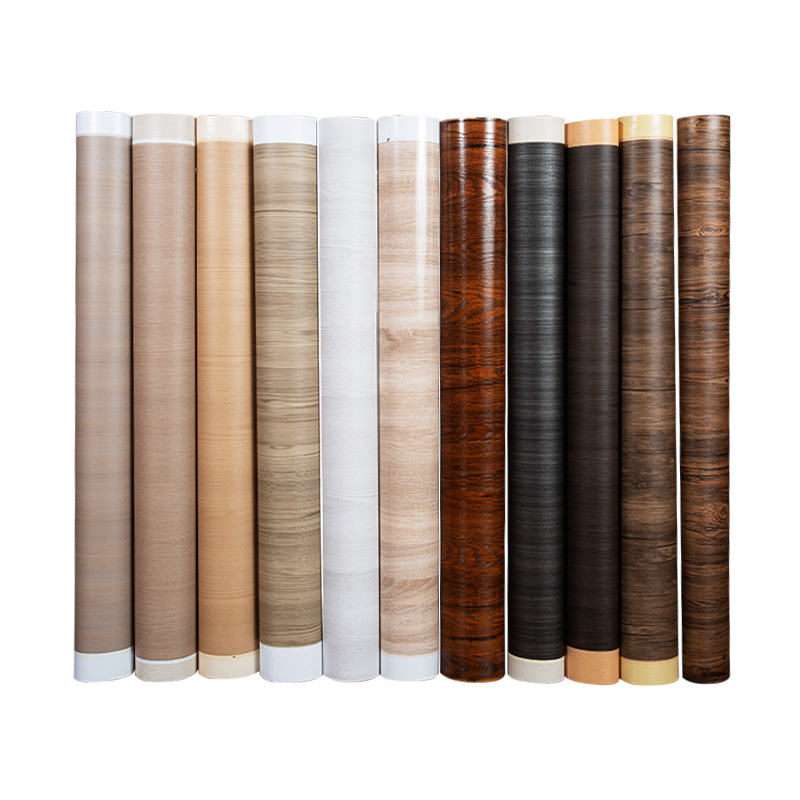
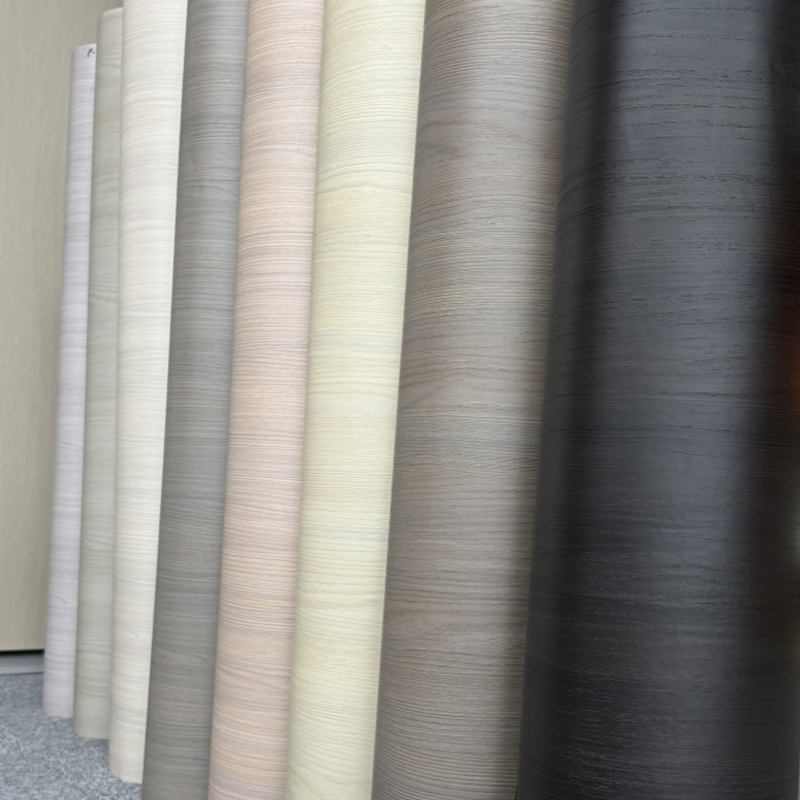
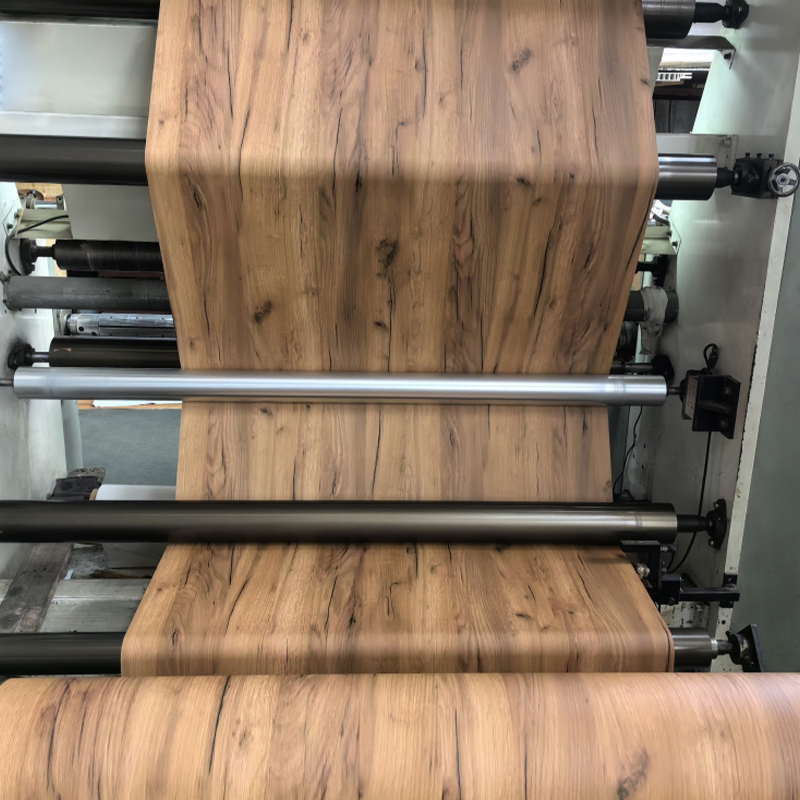 Wood Grain PVC Decorative Film for Furniture and Walls This PVC film offers realistic wood textures and durability, suitable for high-throughput production of cabinets and panels with efficient application methods. View Product →
 Penetrating vs. Surface Finishes: The Two Families
The simplest way to classify wood finishes is by how they interact with the wood. Penetrating finishes, such as linseed oil, tung oil, and wood stains, soak into the pores. They enhance grain and feel natural, but they do not build a thick protective film. They need periodic reapplication and offer less protection against scratches and moisture.
Surface finishes form a separate layer on top. Shellac delivers a warm look but wears quickly and is sensitive to alcohol. Varnish and polyurethane build durable coatings but require careful application and long curing times. Lacquer dries fast and is repairable, but it is brittle and can chip on impact.
In a factory setting, these liquid systems introduce specific problems: each coat has a cure time, dust settles on wet surfaces, and colour matching across production batches is difficult. That is where decorative films have moved in.
The Third Way: Decorative Films
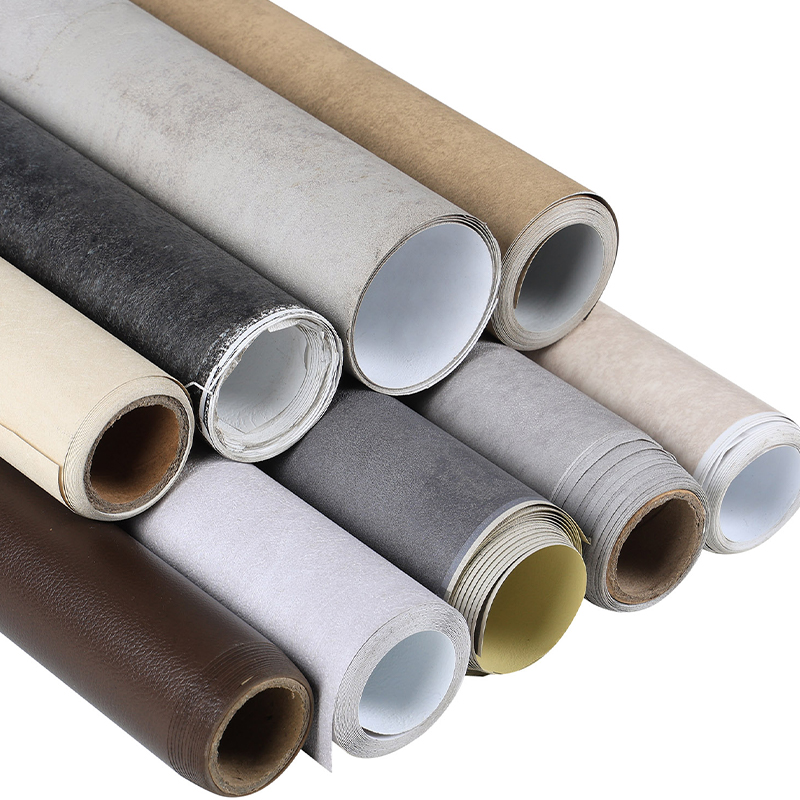
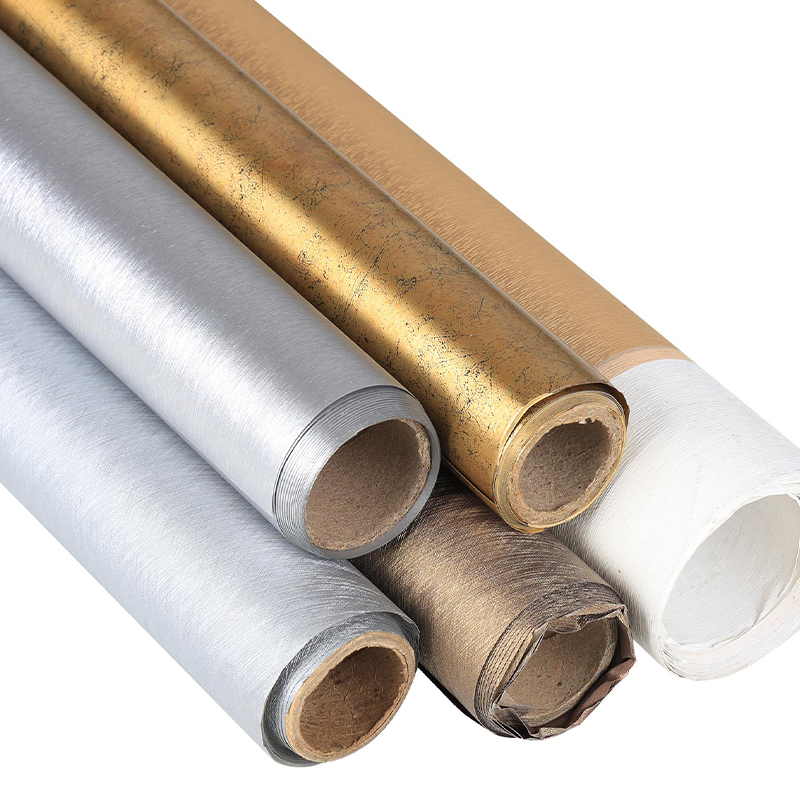
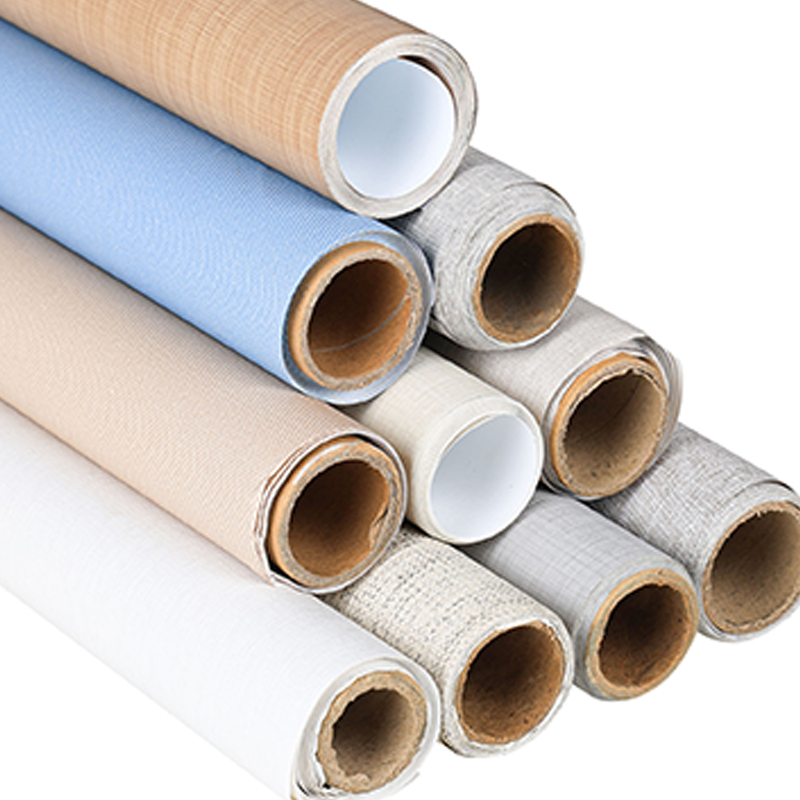
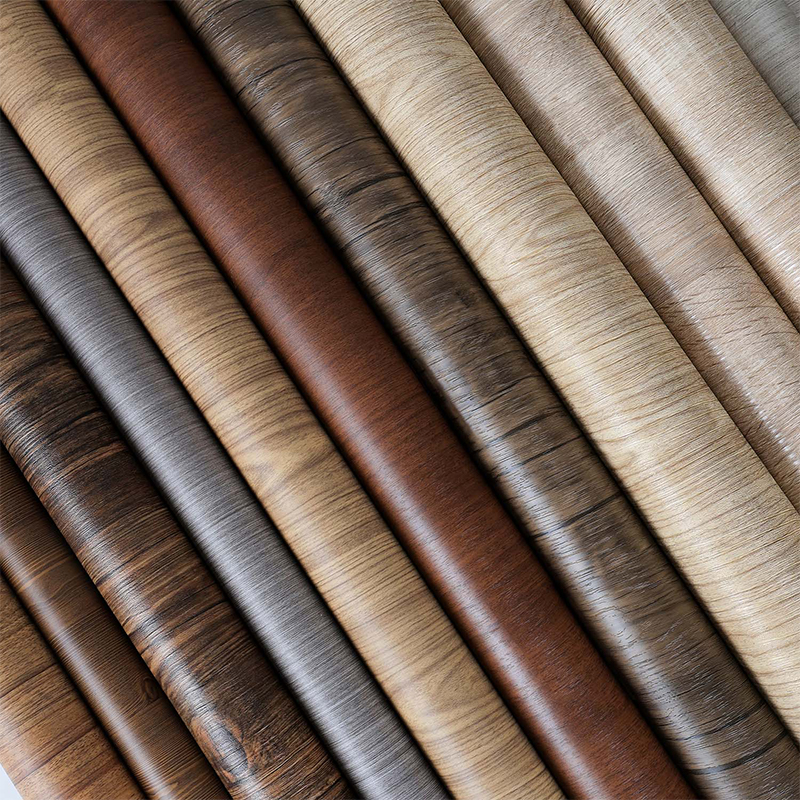
Decorative films are pre-coloured and pre-textured sheets applied with heat and pressure. PVC film offers broad colour selection and low cost. PP film provides recyclability and chemical resistance. PET film delivers high scratch resistance and high-gloss options. The lamination process for MDF, WPC, and plywood uses these films to create a consistent appearance without the variability of a wet coating line.
Performance Comparison Across Common Finish Systems
When comparing finishes for interior furniture and panels, the measurable differences are significant. The table below compares typical performance across common finish options.
The data shows why decorative films have won acceptance in production shops. A panel that takes minutes to finish with film would otherwise require a full day between coats. The film option also removes the dust and cure-time risks that affect batch consistency.
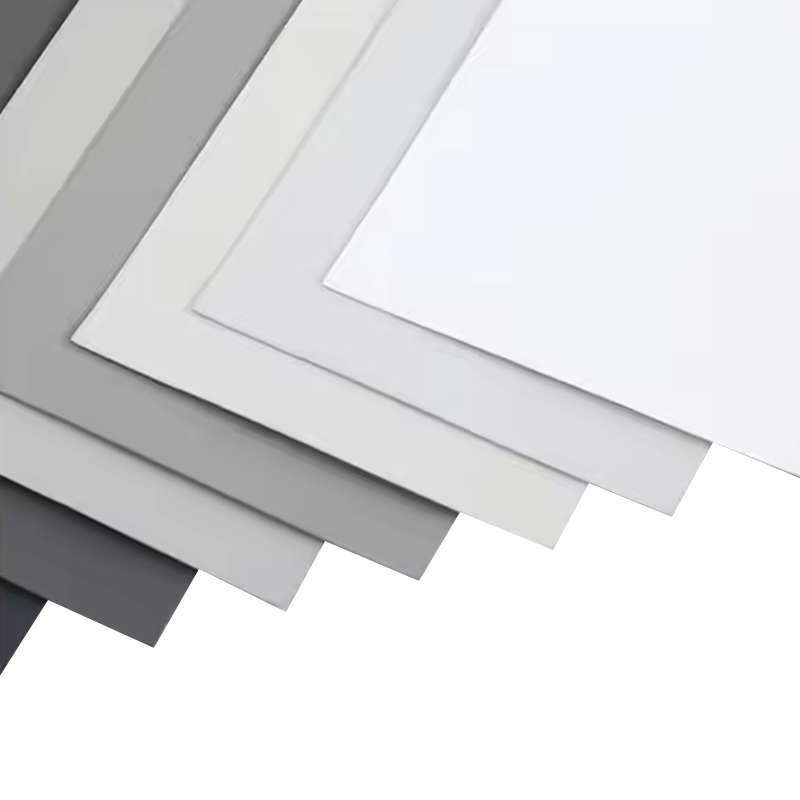
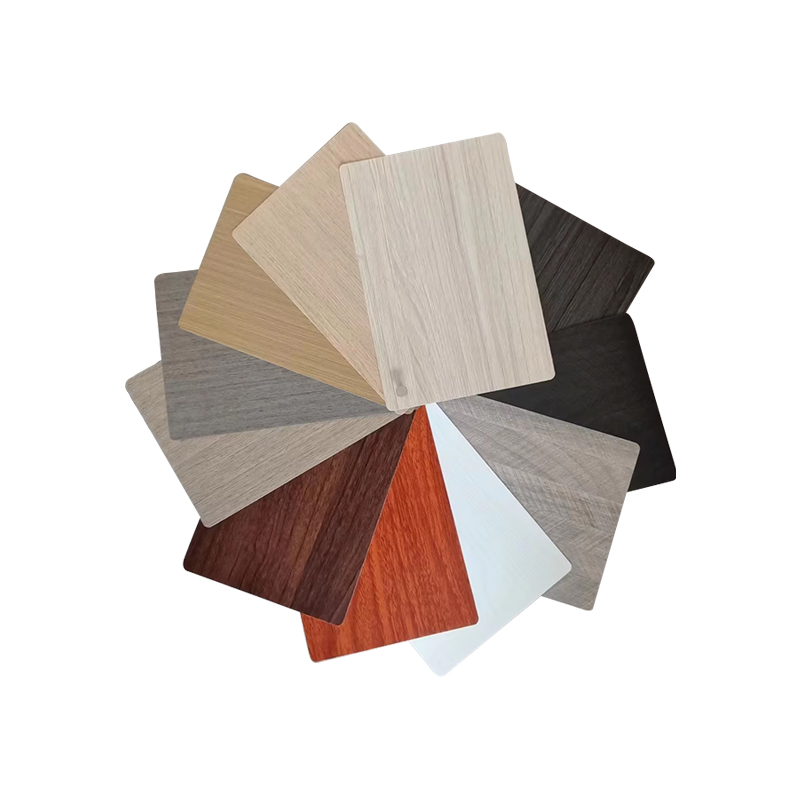 Wood Grain PET Decorative Film for Premium Surfaces PET-based film provides superior strength and thermal stability, ideal for high-end furniture and architectural cladding where performance and compliance matter. View Product →
 The Hidden Metrics That Set Films Apart
Surface tests often miss what happens during daily use. The real indicators are scratch depth, UV discoloration, and moisture swelling. Here is a benchmark based on common industrial test protocols for furniture surface materials.
The scale runs from 1 to 10, where 10 represents the highest performance. The pattern is clear: modern decorative films close the gap with traditional coatings or exceed them in scratch and moisture resistance. This is a key reason why kitchen cabinet manufacturers have shifted toward film-laminated components.
Where Each Finish Type Fits in Real Applications
Looking at how finished surfaces are specified in the current design and construction market, the distribution across application areas follows a distinct pattern.
- Kitchen cabinets and wardrobes: 42%
- Panel furniture: 27%
- Wall cladding and interior panels: 15%
- Flooring and flooring substrates: 10%
- Exterior applications: 6%
Kitchen and cabinetry dominate because those surfaces face high moisture, heat, and repeated cleaning. Decorative films that replicate natural wood grain without the maintenance burden of real wood are a natural fit for this demand.
How to Choose a Finish: A Step-by-Step Guide
Choosing a finish is a systematic decision. These five steps will help you match a surface system to your specific production setup.
Step 1: Define the substrate and shape
Is the surface flat, routed, or profile-wrapped? Films suitable for flat lamination may not wrap around tight radii. Your substrate determines which finish family works.
Step 2: Set performance targets
Determine scratch, heat, and humidity requirements. A kitchen cabinet door needs higher heat and moisture resistance than a wall panel.
Step 3: Match the application method
Vacuum pressing, flat lamination, and profile wrapping each need different film flexibility and thickness. Confirm the film matches your equipment.
Step 4: Compare total applied cost
Include material, labour, drying time, and waste. Traditional liquid finishes often show a higher true cost when curing and rework are added in.
Step 5: Verify compliance and supply
Check VOC, REACH, and recyclability claims. Colour consistency and delivery stability are as important as the finish visual itself.
A vertically integrated film manufacturing chain helps here because raw material control and consistent calendar-roll output directly affect the final surface quality.
Protection and Compliance: The Long-Term View
Once installed, wood finishes need different care. Traditional oil finishes require annual re-oiling. Lacquer may need polishing to remove fine scratches. Decorative films typically need only regular cleaning with mild soap and water, which simplifies life for building owners and facility managers.
From a compliance standpoint, the industry continues to move away from high-solvent coatings. Water-based systems and decorative films with low VOC content align with indoor air quality standards such as BIFMA and GREENGUARD. Films based on PP or PET are increasingly preferred because they can be recycled at end of life.
When selecting a finish, verify thickness, adhesion, and resistance claims from the supplier. The sustainability approach used in decorative film production is also a relevant factor in long-term sourcing decisions.
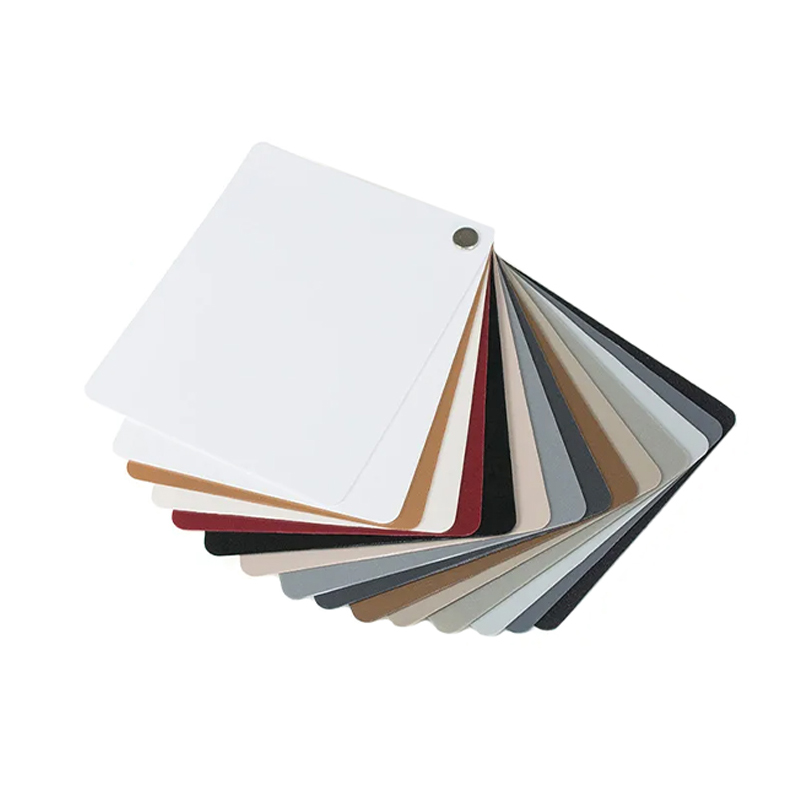
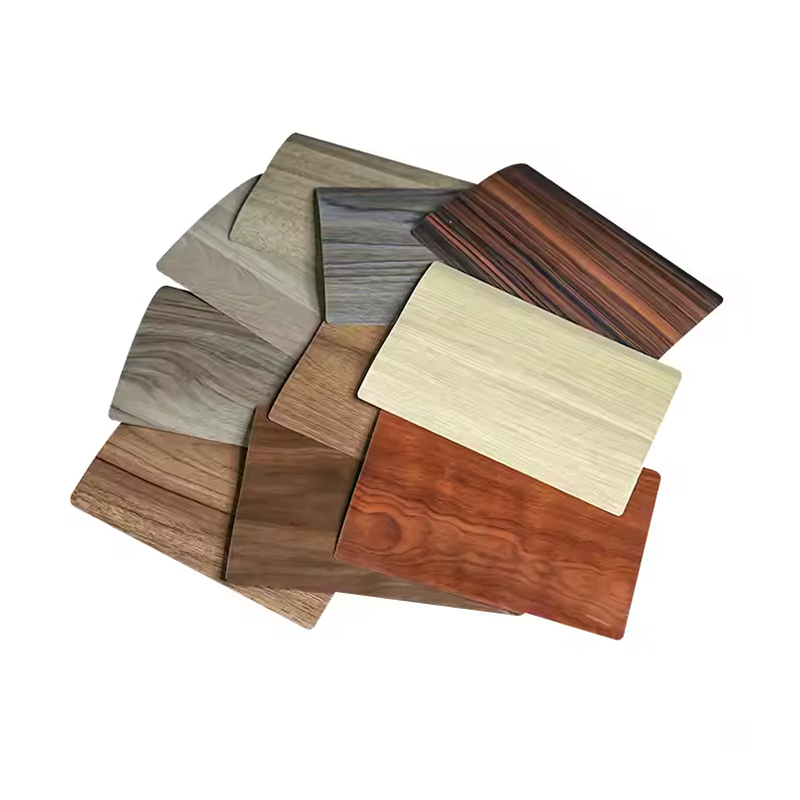 Wood Grain PP Decorative Film for Eco-Friendly Uses This PP film combines weather resistance and recyclability, making it a sustainable choice for outdoor furniture and eco-conscious building projects. View Product →
Xuanyi

لا تتردد في الاتصال بنا
شواني، شركة متخصصة في تطبيق وبحث وتطوير المواد الجديدة. مصنعو ومصنع أفلام الديكور للأثاث.
روابط سريعة للمنتجات
معلومات الاتصال
-
 الغرفة G، الطابق الرابع، مبنى بايلينغشي، شارع هايتشو، مدينة هاينينغ، مدينة جياشينغ، مقاطعة تشجيانغ، 314400، الصين
-
 [email protected]
-
 +86-15059290610
-
 +86-15059290610
حقوق الطبع والنشر © 2024Jiaxing Xuanyi International Trade Co. ، Ltd جميع الحقوق محفوظة. فيلم تغليف PVC/PP/PET لألواح MDF وWPC والخشب الرقائقي*

